
CRAFT RECOGNIZES CRAFT
____________
You’ve built a brand rooted in hand craftsmanship. Why does that still matter in 2026?
Because craft is the antidote to noise. There’s so much out there built for speed or hype. Craft slows you down. It reminds you that making something well is one of the most human things we do.
You gravitate toward classic menswear over fashion. Why?
Menswear has rules, but they’re generous. It’s structure and intuition at the same time. Fashion can be about the moment. Menswear is about the long arc. Menswear stays.
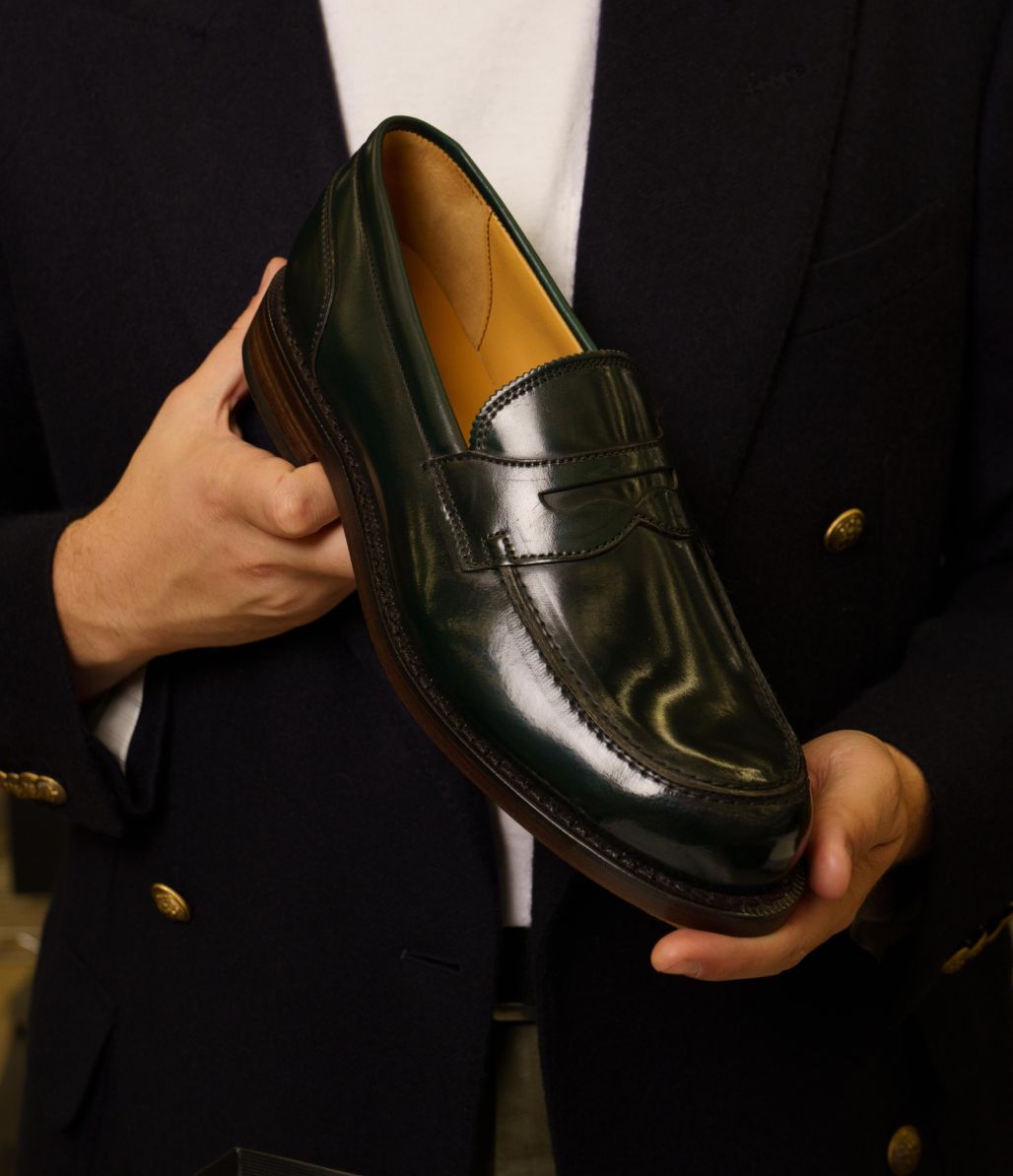
You’re wearing Allen Edmonds today. What drew you to the brand?
I love brands with lineage. Brands that actually make things with their hands, in their own facilities, with their own people. When the product has a story baked into it, you feel that. And in menswear, that connection matters.
What’s one piece of style advice you would give to anyone trying to do more with less?
Buy the best version of the thing you need and stop there. Edit hard. Let quality do the work for you.
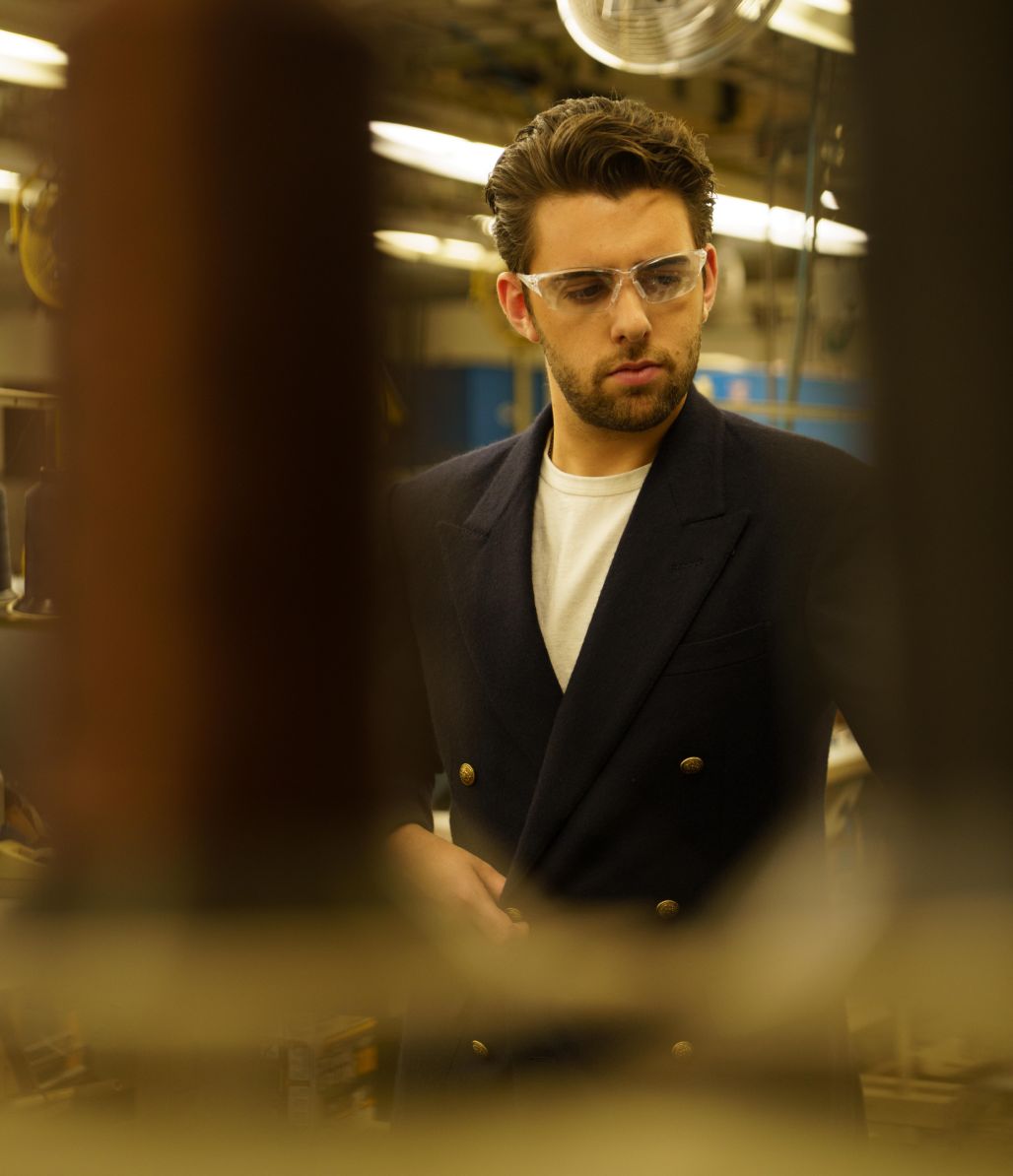
“I have no interest in being part of the fast fashion cycle or the commercial models that promote such transient consumption.”
TRISTAN DETWEILER
Founder and Designer STAN Atelier | Fashion Model
____________
What does it take to become the best at something?
Perseverance, laser focus, determination and an undying belief in yourself.
What advice would you give to your 18-year-old self?
Say, “Yes,” more.
What makes something a classic?
The ability to be worn in multiple settings and combinations.
Why is quality more important than quantity when curating your wardrobe?
You want to be able to pull styles back out 10 years later and find new purpose and combinations for your pieces.
What comes to mind when you hear something's handcrafted in America?
Top materials, quality design and that it’s built to last.
What makes something qualify as luxury to you?
Something that, once worn, gives you more confidence.
SEAN O'PRY
Award-winning Model and the Face of Our Reserve Collection
NICK WOOSTER
Editor, Creative Director, Designer and All-around Menswear Expert
____________
Tell us about your life's work and how you got to be where you are today in the industry.
I’ve worked in and around fashion since 1976, when I was a junior in high school. I never understood what it meant to work in fashion — only that I loved clothes and was interested in the clothing business. The only job that I understood innately was being a buyer, and that’s how I started my journey and career in New York during the 1980s.
Where do you draw your style inspiration?
I draw my style inspiration from everywhere. I’m never not looking. I look at everything. Horrible, sublime, mediocre — everything can be a source of inspiration.
Do you have a style mantra that you try to live by?
Probably the best piece of sartorial advice anyone ever gave me is: Buy the best you can afford. It really is the most thoughtful way to consume and to build a killer wardrobe. I don’t know that I have a signature styling tip, but one thing that most people don’t want to hear is: If you have a choice between something classic and something a bit trendier, buy the classic.
How do you define luxury and how has the idea of luxury evolved over time?
I think luxury has always been synonymous with something rare or difficult to have. It’s not meant for everyone. Today, people equate luxury with logos. This is the opposite of luxury. I also believe taste is a missing component, along with knowledge. These are ideas that the great merchants of my early years understood and imparted to their customers and employees.
What comes to mind when you hear something is handcrafted in America? Why is that meaningful?
It’s meaningful because it’s so rare. Sadly, so much institutional knowledge has been lost, but it’s wonderful when you find craftspeople who can still make beautiful things in the United States. It’s something to be treasured and nurtured.
How do you define a classic?
A classic is something timeless. If it was great 50 years ago, it will be great 50 years from now. Goodyear-welted shoes, brogues, derbies and Chelsea boots are examples of classics. So is a navy three-button blazer and a grey flannel suit.
What is your go-to shoe style?
Brogues, derbies and Chelsea boots in equal measure. They’re great with edgy, contemporary pieces and always look polished and put-together. I’m wearing exactly the same shoes I’ve worn since high school.
Why are legacy and authenticity important?
Because they stand the test of time. There’s nothing worse than a new, cheap blue oxford cloth shirt. And there’s nothing better than an authentic old one.
What wardrobe pieces are always worth the investment?
Coats, jackets, shoes and watches. Everything else is negotiable.
“Buy the best you can afford. It really is the most thoughtful way to consume and to build a killer wardrobe.”
____________
We hear you have an original pair of our Sun Valley boots in your archive that you used for inspiration for the collaboration. Can you tell us about that?
I always thought Allen Edmonds specialized in dress shoes, so I was surprised to discover you made a truly authentic pair of outdoor boots, and I purchased them immediately. Personally, I believe making outdoor boots requires even more advanced skills and experience, so I was deeply impressed when I examined the details and wore them. I was also struck by the design, especially the strap detail added to the traditional style.
How do you approach reimagining classic American styles and making them your own?
Instead of following conventional values, I try to play with the idea of American classics in a way that feels fresh today. Sometimes by going in the opposite direction or exaggerating certain elements, using the knowledge of American style I gained in Japan to create something unexpected and interesting.
Why is it important to understand how a style is made in order to inspire a new approach to craft?
What I always realize is that even if an idea looks good on paper, you never truly know until you make a sample. When working directly with craftspeople, there are always unexpected challenges that come up during each step of the process. We discussed and solved them together based on their experience, and I was truly impressed by the kind of creative thinking that only happens on the workshop floor.